I’m sure you heard that law school can be pretty expensive. These scholarships and grants for law school can help fund your dream career whether you are a high school student or a current law school student.

If you plan on attending law school you should be prepared to spend at least $50,000 yearly. So you can pay over $150,000 before you graduate from law school. Scholarships and grants can significantly ease the financial burden of attending law school. Whether you are a pre-law student or enrolled in law school, various opportunities are available to support your educational expenses.
You might qualify for scholarships and grants for law school based on merit, financial need, or specific criteria set by organizations that support diversity in the legal field. For instance, the Starver Accident Injury Lawyers Scholarship offers $5,000 to accepted or currently enrolled students in an accredited college, university, or graduate program. Similarly, the American Bar Association provides awards to minority students through its Legal Opportunity Scholarship Fund.
You should dedicate time to research and apply for all the scholarships and grants you are eligible for they can make a big difference in managing your law school expenses. Some universities, like the University of Chicago Law School, provide full tuition scholarships such as the David M. Rubenstein Scholars Program.
Taking advantage of these opportunities will help you focus more on your studies and less on your tuition bill. This ultimate guide to scholarships and grants for law school will help you slash your student debt.
The Ultimate Guide to Scholarships and Grants for Law School
Understanding Law School Financial Aid
Navigating financial aid for law school involves knowing the different types of aid available and assessing your financial needs accurately. Learning about all the law school resources will help you make informed decisions about funding your education.
Types of Financial Aid
Financial assistance for law school typically includes scholarships, grants, loans, and work-study programs. Scholarships and grants are forms of aid that do not need to be repaid. They can be merit-based, considering your academic achievements, or need-based, which looks at your financial situation.
Types of loans include federal student loans and private loans. Federal loans often have lower interest rates and flexible repayment options. Work-study programs allow you to earn money while studying, helping to offset your tuition costs.
The first step in obtaining federal student aid or financial assistance is to complete the Free Application For Student Aid (FAFSA), which opens in October. If you are enrolling in law school in the fall or late summer, you will complete your FAFSA in the previous fall.
Evaluating Your Financial Aid
Assessing your financial needs starts with understanding the total cost of law school. This includes tuition, fees, books, housing, and other living expenses will help you determine the cost of attendance. Create a budget to document your income and expenses. List all your funding sources, including savings, family contributions, and any expected financial aid.
Consult with the law school’s financial aid office for personalized advice. They can provide information on internal scholarships for first-year law students and outside scholarships, grants, and loans that you might not find on your own.
Familiarize yourself with the financial aid options to ensure you explore all available opportunities. Pay attention to the application deadline and requirements for each financial aid source to maximize your chances of receiving aid.

Exploring Scholarships for Law Students
Finding law school scholarships and grants can significantly reduce your financial burden. This section covers different types of scholarships you might be eligible for, including merit-based, need-based, diversity scholarships, essay contests, and subject-specific scholarships.
Related Post: 5 Habits of Highly Successful Scholarship Winners
Merit-Based Scholarships
Merit-based scholarships reward academic excellence or extraordinary achievements. A merit-based award may be based on factors like cumulative GPA, LSAT score, or leadership experience. Look for merit scholarship awards from law schools themselves and private foundations that set high academic standards.
Need-Based Scholarships
Need-based grants and scholarships focus on financial need rather than academic achievement. These scholarships aim to help students who can not afford law school. You can apply for need-based scholarships through your law school’s financial aid office. Some organizations, such as AccessLex, offer scholarships to students in public interest positions, including internships and clerkships. Be sure you submit all required financial documentation and complete the application form to qualify.
Diversity Scholarships
Diversity scholarships usually support incoming diverse law students from underrepresented backgrounds. These scholarships promote inclusivity and ensure diverse voices are present in the legal field. Programs like the Shumaker Diversity Scholarship offer $7,500 while the Zelle LLP Diversity in Law Scholarship offers $15,000 to law students from diverse backgrounds.
Another example is the Marshall-Motley Scholars Program which offers a full-ride scholarship and a summer internship.
Essay Contests
Essay contests require you to write on specific topics to win scholarship money. These contests assess your writing skills, creativity, and ability to articulate ideas. For example, the Justice Pays Scholarship Essay Contest awards a $1,000 scholarship for the best essay on the topic “Why do you want to work in the legal world?”
Make sure you follow the guidelines and deadlines for these scholarship opportunities. Winning an essay contest not only helps with funding but also adds a valuable accomplishment to your resume.
Subject-Specific Scholarships
Subject-specific scholarships are targeted at students interested in particular areas of law, such as environmental law, intellectual property, or public interest law.
These scholarships often come from professional organizations, law firms, or foundations focused on those legal areas. If you plan to pursue a career in civil rights consider the $10,000 HBCU NREI Scholarship. Check out scholarships that align with your career goals and field of interest for free money.
Grants for Law School
Grants can significantly ease your financial burden of law school. Key grants include federal and state options, as well as those from private and nonprofit organizations.
Federal and State Grants
Federal and state grants are commonly based on financial need. The Federal Pell Grant is available to undergraduate students with significant financial need but is worth mentioning as it helps you during your initial education phase before law school. While specific law school grants from the federal government are rare, state governments often provide grants to residents.
State grants vary by location. For example, the California Student Aid Commission offers the Cal Grant to eligible students pursuing higher education, and some states have specific grants for law students based on financial need or merit. Always check your state’s higher education website for up-to-date information
Private and Nonprofit Grants
Private and nonprofit organizations offer grants to help fund your law education. The Legal Opportunity Scholarship Fund is a notable option, providing $15,000 over three years to diverse incoming law students.
Another option is the Ally Financial Law Scholars Program, which awards $60,000 to incoming law students based on their leadership, and commitment to the legal profession, and essay submission. Many schools themselves offer grants funded by alumni or benefactors, so check with your intended law school’s financial aid office for these opportunities.
Staying informed and proactive can help you secure valuable funding.
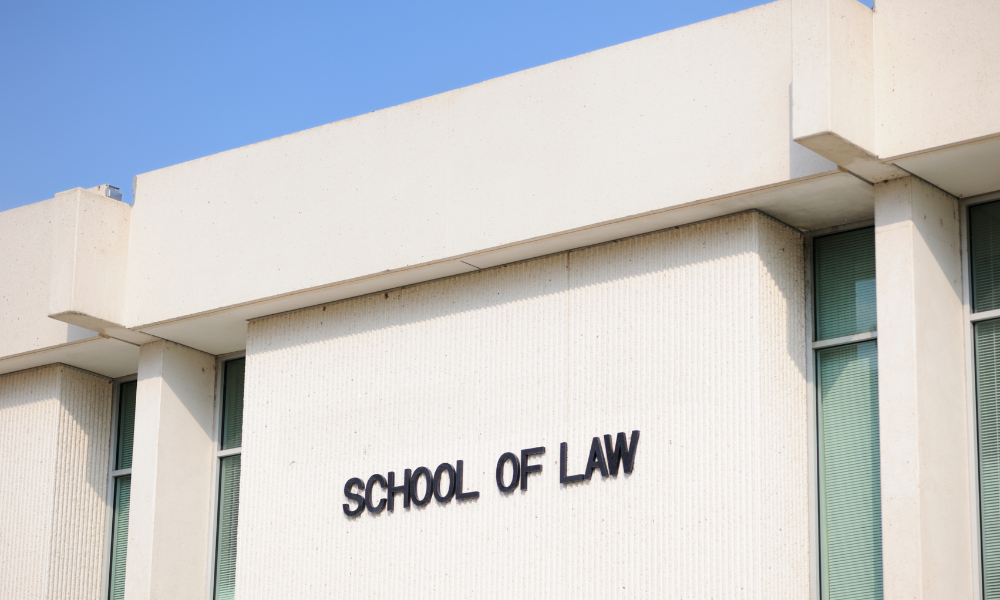
Law School Fellowships and Assistantships
Law school fellowships and assistantships provide unique opportunities for admitted students to gain valuable experience and financial support. These roles often involve working closely with faculty on research projects or assisting in teaching responsibilities.
Research Fellowships
Research fellowships allow you to work on academic research with a professor. These positions typically involve helping with legal research, writing, and sometimes even co-authoring papers. At institutions like Columbia Law School, some fellowships are merit-based and can cover part of your tuition.
You’ll gain deep insights into specific areas of law, enhancing your expertise and résumé. This experience can be particularly beneficial if you aim for a career in academia or specialized legal fields. Research fellowships may also offer networking opportunities with academics and professionals in your area of interest.
Teaching Assistantships
Teaching assistantships involve supporting professors in their courses. Your tasks might include grading assignments, leading study sessions, or even giving occasional lectures. Schools like Southwestern Law School offer these positions to students who demonstrate academic excellence.
These roles provide you with a deeper understanding of legal subjects and improve your teaching and public speaking skills. Engaging with students can also reinforce your knowledge and help you prepare for exams. Moreover, being a teaching assistant often comes with stipends or tuition reductions, making it a financially attractive option.
Application Process for Scholarships and Grants
When applying for scholarships and grants for law school it is important to be organized. You should stay on top of application deadlines, write error-free essays, and obtain strong recommendation letters to strengthen your application.
Preparing Your Application
To begin, gather all necessary documents, such as transcripts and proof of enrollment, and any additional information. Don’t forget to fill out the FAFSA.
Next, prepare a list of scholarships and grants that match your background and career goals. Some programs may require additional documentation, such as financial statements or standardized test scores.
Lastly, ensure your application is error-free by reviewing it multiple times. Small mistakes could make a big difference in your application’s success.
Key Application Deadlines
Meeting application deadlines is crucial. Many scholarships have specific dates by which you must submit your application. Missing a deadline usually means you won’t be considered for that scholarship.
Create a calendar of important deadlines for each grant or scholarship you’re targeting. Some deadlines may be as early as six months before the school year starts. Mark these dates prominently to avoid missing them.
Remember, some scholarships have rolling deadlines. You should always apply early to improve your chances of receiving the award.
Recommendation Letters and Essays
Strong recommendation letters can significantly boost your chances. Select recommenders who know you well academically or professionally. Inform them about the scholarship’s goals and provide them with your resume or personal statement to guide their writing.
Essays are another critical part of your application. Many scholarships require you to respond to essay prompts. Focus on clearly presenting your goals and academic achievements, how you will be an asset to their community, and how the scholarship will help you.
Edit your essays carefully. Spelling and grammatical errors can detract from the strength of your content. Seek feedback from mentors or friends to ensure your essays are impactful and error-free.
Pay attention to these details to secure the bag you need for law school.
Financial Aid for Specialized Law Programs
Several specialized law programs offer financial aid options to help manage costs. Both joint-degree programs and part-time law programs have unique financial aid opportunities.
Joint-Degree Programs
Joint-degree programs combine law studies with other graduate fields, such as business or public policy. These programs may offer funding from both schools involved. For example, a JD/MBA might receive financial aid from the law school and the business school.
Some schools provide scholarships specifically designed for joint-degree students. You may also qualify for general merit-based or need-based aid. It’s important to check each school’s policy because financial aid packages can vary.
Contact the financial aid offices of both schools to get detailed information. They can tell you about scholarship opportunities and help you navigate the application process.
Part-Time Law Programs
Part-time law programs cater to students who need to balance studies with work or other responsibilities. These programs offer various financial aid options like merit-based and need-based scholarships.
While part-time students may qualify for less aid than full-time students, many schools provide specific scholarship funds for part-time enrollees. Federal student and private student loans are also available for part-time studies, though the amounts may differ from full-time options.
Be proactive in seeking out institutional aid and scholarships and grants for law students. Visit the law school’s financial aid office and ask about specific scholarships or grants for part-time students. Filing the FAFSA early can help you secure the best possible aid package.
Loan Repayment Assistance Programs (LRAPs)
Loan Repayment Assistance Programs (LRAPs) help law graduates manage their loan debt.
Many law schools, like Stanford Law School, offer robust LRAPs. These programs reduce loan repayment stress, allowing you to pursue careers in public interest law or other lower-paying legal jobs.
For example, the American Bar Association highlights that some graduates face debt exceeding $150,000. LRAPs provide relief for those in fields with median starting salaries of around $50,000.
Typical features of LRAPs include:
- Forgivable loans: Certain programs forgive parts of your loan if you work in qualifying positions.
- Graduated benefits: You might receive larger benefits the longer you stay in qualifying jobs.
The Legal Services Corporation describes awards up to $10,000 annually for attorneys with significant debt, which can be forgiven after a few years.
Important dates are crucial for these programs. For instance, the UNC School of Law has specific deadlines and disbursement dates starting from October 2024.
Staying aware of these dates and program specifics helps make sure you receive the benefits you’re eligible for. Using LRAPs can make a big difference in your financial future and career choices.

Planning Your Law School Budget
When planning your law school budget, it’s essential to accurately estimate all major expenses and find ways to reduce debt. Doing so will help you focus on your studies, alleviate stress, and manage your finances better.
Estimating Tuition and Living Expenses
First, figure out the cost of attendance, most students underestimate the cost. The Federal Student Aid website suggests you should include the following:
- tuition and fees
- books, course materials, supplies, and equipment;
- cost of housing and food (or living expenses);
- transportation expenses;
- loan fees (excluding any loan fees for non-federal student loans);
- miscellaneous expenses (including a reasonable amount for the documented cost of a personal computer);
- allowance for childcare or other dependent care;
- costs related to a disability;
- costs of obtaining a license, certification, or a first professional credential; and
- reasonable costs for eligible study abroad programs.
To manage these costs, contact the financial aid office of the schools you are interested in to get specific figures.
Minimizing Debt
One way to reduce debt is by seeking out scholarships and grants for law school. Many organizations offer law school scholarships, such as the 7Sage 7K Law School Scholarship, which provides $7,000 to pre-law and incoming 1L students. Look for merit-based and need-based scholarships that match your profile.
Another strategy is to create a detailed budget. Track your spending and identify non-essential expenses to cut back on. Consider working part-time or during the summer to earn extra income. Be cautious about taking on loans and aim to minimize borrowing by exploring every avenue for financial aid.
Here are Over 80 Scholarships and Grants for Law School
AALAM and Dow Fund Scholarship Award
- Open to: Current Asian American law students
- Majors: Law
- GPA Minimum: 3.0
- Amount: $15,000
Andrew Flusche Law Student Scholarship Contest
- Open to: Law school students
- Majors: Law
- GPA Minimum: None
- Amount: $1,000
Arthur Lockwood Beneventi Law Scholarship
- Open to: Students accepted or currently enrolled in law school
- Majors: Law
- GPA Minimum: 3.25
- Amount: $2,000 (May reapply for consideration each year)
Ashoori Law Good Deeds Scholarship
- Open to: College undergraduate and graduate students
- Major: All
- GPA Minimum: 3.0
- Amount: $1,000
Auger & Auger Disabled Scholar Award
- Open to: Incoming freshmen and current college students living with a disability
- Majors: All
- GPA Minimum: 2.8
- Amount: $1,000

Bachus & Schanker, LLC Scholarship
- Open to: Incoming freshmen and current college students
- Majors: All
- GPA Minimum: 3.0
- Amount: $2,000
Bertolino Impact In Government Scholarship
- Open to: All high school, undergraduate, and graduate students
- Major: All
- GPA Minimum: 3.0
- Amount: $2,500
Birth Injury Lawyers Disability Advocacy Scholarship
- Open to: Undergraduate or graduate students planning to pursue a Law or Public Policy career focused on Disability Advocacy
- Majors: Open
- GPA Minimum: 3.0
- Amount: $1,000
BK Law Group Strong Work Ethic Scholarship
- Open to: High school seniors, undergraduate, and graduate students
- Majors: Open
- GPA Minimum: 3.0
- Amount: $1,000
Blossom Law Caregiver Scholarship
- Open to: Undergraduate and graduate students
- Majors: Open
- GPA Minimum: 3.0
- Amount: $1,000
Boland Injury Lawyers P.C. Scholarship
- Open to: Undergraduate or graduate students enrolled in a U.S. college program, interested in or seeking a law degree
- Majors: Open
- GPA Minimum: None
- Amount: $500
Bronx Injury Lawyers P.C. Essay Competition Scholarship
- Open to: Graduate/law students and undergraduate students seeking to attend law school. All applicants must be enrolled in a U.S. undergraduate or graduate-level program.
- Majors: Open
- GPA Minimum: None
- Amount: $500
Brooklyn Injury Attorneys P.C. Essay Competition Scholarship
- Open to: Graduate/law students and undergraduate students seeking to attend law school. All applicants must be enrolled in a U.S. undergraduate or graduate-level program.
- Majors: Open
- GPA Minimum: None
- Amount: $500
Buckfire & Buckfire, P.C. Disability Scholarship Program
- Open to: Currently enrolled college student with a disability diagnosis
- Majors: All
- GPA Minimum: None
- Amount: $1,000
Buckfire & Buckfire, P.C. Law School Diversity Scholarship
- Open to: Currently enrolled minority law school students
- Majors: Law
- GPA Minimum: 3.0
- Amount: $2,000
Buckfire & Buckfire, P.C. Paralegal Scholarship Program
- Open to: Students currently enrolled in a paralegal education program
- Majors: Legal
- GPA Minimum: None
- Amount: $1,000
Cabaniss Johnston Scholarship
- Open to: Alabama residents who are in their 2nd year of law school
- Major: Law
- GPA Minimum: Open
- Award: $5,000
Carlile Law Firm Scholarship
- Open to: Accepted or enrolled in an undergraduate or graduate program
- Majors: Law, Pre-Law or related field
- GPA Minimum: 3.0
- Amount: $1,000
C.I.P. Scholarship
- Open to: High school seniors, undergraduate, and graduate students
- Majors: All
- GPA Minimum: None
- Amount: $1,000
Diversity in Law Scholarship Contest
- Open to: Accepted to or currently enrolled students who identify as African American, Asian, Middle Eastern, Native Hawaiian, Pacific Islander, American Indian, Native Alaskan, Hispanic or Latino and enrolled in an accredited law school or paralegal program as of the Fall
- Majors: Legal or Law
- GPA Minimum: None
- Amount: $1,500

Earl Warren Scholarship
- Open to: College seniors who will be enrolling in law school or 1st-year law students
- Majors: Law
- GPA Minimum: Open
- Amount: $15,000 (Renewable)
Editor World First-Generation Graduate Student Scholarship
- Open to: First-generation students enrolled, or about to enroll, in a graduate degree program
- Major: Varies
- GPA Minimum: Open
- Amount: $1,000
Empowering Families Scholarship
- Open to: Undergraduate students interested in becoming a family law attorney
- Majors: All
- GPA Minimum: None
- Amount: $1,000
Eskew Law Undergrad Scholarship
- Open to: Incoming freshmen and current college students who are children of convicted felons
- Majors: All
- GPA Minimum: 3.0
- Amount: $1,500
Eula Mae Jett Scholarship Plan
- Open to: High school seniors and college students who are legal residents of California
- Majors: Legal field
- GPA Minimum: None
- Amount: Up to $2,000 (6 Awards)
Federal Circuit Bar Association Scholarships
- Open to: Pursuing a Juris Doctor degree and enrolling in law school for the upcoming academic year
- Majors: Law
- GPA Minimum: None
- Amount: Up to $10,000 (8 Awards)
Fielding Law Group Scholarship for College Students
- Open to: College students
- Majors: Open
- GPA Minimum: None
- Amount: $1,000
Franchise.Law Entrepreneur Scholarship
- Open to: Incoming freshmen and current college students
- Majors: All
- GPA Minimum: 3.0
- Amount: $1,000
Georgelis Larsen & Sabatino Injury Law Firm Scholarship
- Open to: Students must be currently enrolled in, or preparing to attend a law school within the United States
- Majors: Law
- GPA Minimum: None
- Amount: $1,500
Herbert Lehman Education Fund
- Open to: High school seniors, a first-year student in an accredited four-year college, or a student transferring into an accredited four-year college. Students beginning as a junior are not eligible
- Majors: Open
- GPA Minimum: None
- Amount: $3,000 per year over four years

Law Offices of Jon Friedman Scholarship
- Open to: Students pursuing an undergraduate degree in pre-law studies, or a student entering law school in the Fall
- Majors: Pre-law or Law
- GPA Minimum: 3.0
- Amount: $500
Lawyer.com Future Lawyer Scholarship
- Open to: Undergraduate or graduate students currently enrolled in a U.S. college or university who is interested in studying law and/or planning to go to law school
- Majors: Open
- GPA Minimum: None
- Amount: $5,000
Legal Opportunity Scholarship
- Open to: Black/African-American, Native American, Hispanic American, Asian/Pacific Islander 1st year law students
- Majors: Law
- GPA Minimum: 2.5
- Amount: $15,000 (10-20 Awards)
Lem Garcia Law Scholarship
- Open to: Accepted or currently enrolled in law school
- Major: Law
- GPA Minimum: None
- Amount: $1,000
Lucas Law Legal Leaders Scholarship
- Open to: High school seniors, undergraduate, and graduate students
- Major: Pursuing a career in the legal field
- GPA Minimum: 3.5
- Amount: $1,000

Maldef Scholarship
- Open to: Current law school students
- Majors: Law
- GPA Minimum: 3.0
- Amount: $2,000 – $10,000
Mapes Law Offices Scholarship
- Open to: High school seniors, undergraduate, and graduate students
- Majors: Open
- GPA Minimum: None
- Amount: $1,000
Marilynne Graboys Wool Scholarship
- Open to: Female Rhode Island residents planning to enroll in law school
- Majors: Law
- GPA Minimum: None
- Amount: Up to $2,000
Military Veteran Law Student Scholarship
- Open to: Military veteran law student (1L, 2L, or 3L) attending law school in the United States
- Majors: Law
- GPA Minimum: None
- Amount: $500
Moral Responsibility and the Application of Law Scholarship
- Open to: Accepted or enrolled in an undergraduate or graduate program
- Majors: Open
- GPA Minimum: 3.0
- Amount: $2,500
NCAWA Sarah Parker Scholarship
- Open to: Women law students who are attending North Carolina’s state law school and are continuing their education through the fall semester of the current calendar year and cannot be graduating third-year law students
- Majors: Law
- GPA Minimum: None
- Amount: $2,000 (2 Awards)
New Jersey Injury Lawyers P.C. Scholarship Essay Contest
- Open to: Undergraduate or graduate students enrolled in a U.S. college program, interested in or seeking a law degree
- Majors: Open
- GPA Minimum: None
- Amount: $500
NYC Injury Attorneys P.C. Essay Competition Scholarship
- Open to: Undergraduate or graduate students enrolled in a U.S. college program, interested in or seeking a law degree
- Majors: Open
- GPA Minimum: None
- Amount: $500
O’Connor, Runckel, & O’Malley Law Scholarship
- Open to: Enrolled or accepted into a full-time law school program
- Majors: Law
- GPA Minimum: 3.0
- Amount: $1,000

PA Medical Malpractice Lawyers P.C. Essay Contest
- Open to: Undergraduate or graduate students enrolled in a U.S. college program, interested in or seeking a law degree
- Majors: Open
- GPA Minimum: None
- Amount: $500
Paul Hastings Diversity Scholarship Award
- Open to: 1L and 2L law students who are enrolled in a full-time law program
- Majors: Law
- GPA Minimum: None
- Amount: $50,000 + Summer Associate position (between 1L and/or 2L)
Philadelphia Injury Lawyers P.C. Scholarship
- Open to: Undergraduate students wishing to go to law school sometime in the future and current graduate/law students. All applicants must be actively enrolled in a U.S. undergraduate, graduate, or law school program
- Majors: Open
- GPA Minimum: None
- Amount: $500
Pittsburgh Injury Lawyers P.C. Scholarship
- Open to: Undergraduate students wishing to go to law school sometime in the future and current graduate/law students. All applicants must be actively enrolled in a U.S. undergraduate, graduate, or law school program
- Majors: Open
- GPA Minimum: None
- Amount: $500
Ridge Ohio Scholarship
- Open to: High school seniors, undergraduate, and graduate students
- Majors: Open
- GPA Minimum: None
- Amount: $2,500
Rover Scholarship
- Open to: High school seniors, undergraduate, and graduate students
- Majors: Open
- GPA Minimum: 3.0
- Amount: $2,500
Sarita and Claire Wright Lucas Foundation Scholarship
- Open to: Black female graduating law students preparing to take the Bar Exam
- Majors: Law
- GPA Minimum: None
- Amount: $5,000
Scholarship Detective Launch Scholarship
- Open to: High school, undergraduate, and graduate students
- Majors: All
- GPA Minimum: None
- Amount: $1,000
Scholarship Essay Contest
- Open to: Students who are incoming or current college students
- Majors: Open
- GPA Minimum: 3.0
- Amount: $1,000
Shumaker Diversity Scholarship
- Open to: First or second-year law students who are enrolled at an ABA-accredited law school and are members of underrepresented or minority groups
- Majors: Law
- GPA Minimum: None
- Amount: $7,500 (2 Awards)
Sidley Built to Succeed Leadership Scholarship
- Open to: Full-time law students in the second year of classes at an accredited law school
- Majors: Law
- GPA Minimum: None
- Amount: $25,000 (upon joining Sidley as a summer associate) + $25,000 (will be paid after joining the firm as a full-time associate)
Sidney B. Williams, Jr. Scholar Program
- Open to: Stem-educated individuals seeking admission to an ABA-accredited law school with an interest in the advancement of diversity-minded individuals that are underrepresented in the patent law profession in the United States
- Majors: Open
- GPA Minimum: 3.0
- Amount: $10,000 per year for three years + Mentoring & Career Assistance
Spencer & Associates Community Leaders Scholarship
- Open to: Students must be enrolled in or planning to enter a program in the fields of criminal justice or law enforcement, or they must be enrolled in or planning to attend law school
- Major: Law, Criminal Justice, or related field
- GPA Minimum: None
- Award: $1,000
Starver Accident Injury Lawyers, P.C. Personal Injury Scholarship
- Open to: Be accepted to or currently enrolled in an accredited college, university, or graduate program within the United States
- Major: All
- GPA Minimum: 3.0
- Award: $5,000
Stephen K. Hall ACWA Water Law & Policy Scholarship
- Open to: Students must be attending an accredited, public or private U.S. college at the start of the academic year and pursuing a graduate degree
- Majors: Water Law, Water Policy, or Public Administration with a demonstrated concentration in the field of water resources
- GPA Minimum: None
- Amount: $10,000
Steinger, Greene, and Feiner Law Scholarship for Child Advocates
- Open to: Applicant must be either a current law student at an accredited law school or at an accredited undergraduate university planning to attend law school for the following academic year
- Majors: All
- GPA Minimum: 2.8
- Amount: $1,000
Sutliff and Stout Annual Scholarship Contest
- Open to: Incoming freshmen and current college students
- Majors: All
- GPA Minimum: None
- Amount: $1,500

TJ Crowson Memorial Scholarship
- Open to: High school seniors and undergraduate students interested in or seeking a law degree
- Majors: Open
- GPA Minimum: None
- Amount: $1,500 (2 Awards)
Tobin Injury Law Scholarship
- Open to: Students who are enrolled in an accredited undergraduate or graduate program
- Majors: All
- GPA Minimum: None
- Amount: $1,188
Turco Munoz Supporting Domestic Violence Survivors Scholarship
- Open to: Students who are enrolled in law school or an undergraduate program with a genuine intention to focus your career after graduation to serving survivors of domestic violence
- Majors: All
- GPA Minimum: None
- Amount: $1,000
Warner Norcross & Judd Diversity Law Scholarship
- Open to: 1Law school students
- Majors: Law
- GPA Minimum: 3.0 (lower GPA may be considered with context included in the personal statement)
- Amount: $20,000 + Summer Fellowship
Weil Legal Innovators Program
- Open to: All students who have been accepted into the following partner law schools: Berkeley Law, Columbia University Law School, Duke University School of Law, Georgetown University Law Center, Harvard Law School, New York University School of Law, Stanford Law School, University of Michigan Law School, University of Pennsylvania Law School, University of Texas at Austin School of Law, and Yale Law School
- Majors: Law
- GPA Minimum: None
- Amount: $10,000 + Summer Fellowship with full health benefits (10 Awards)
Whitney, LLP Annual Scholarship
- Open to: Undergraduate, and graduate students
- Majors: Law, Pre-Law, Political Science, and Paralegal Studies
- GPA Minimum: 3.0
- Amount: $1,500
Zelle LLP Diversity in Law Scholarship
- Open to: Minority first-year law students pursuing their Juris Doctor degree who are currently enrolled full-time at an ABA-accredited law school and
who have completed at least one semester of law school; or are part-time (four-year program) or joint-degree students currently enrolled in their second year of law school at an ABA-accredited law school - Majors: Law
- GPA Minimum: 2.8
- Amount: $15,000 (Divided over 1st & 2nd year)
Law school may be costly but this shouldn’t prevent you from pursuing your dream career. These law scholarships will help you achieve your career goals without selling your soul. You should apply for all the scholarships and grants for law school you are eligible for.
Frequently Asked Questions
There are numerous scholarship opportunities tailored to specific groups, such as women, minorities, and international students. Additionally, financial aid options exist for non-traditional, older, and first-generation college students.
How can minority students obtain law school scholarships?
Minority students have access to a range of scholarships designed to promote diversity in the legal profession. Organizations like the ABA Legal Opportunity Scholarship Fund provide grants to incoming diverse law students. Additionally, many law schools have their own programs aimed at supporting minority students.
Can first-generation college students find scholarships specific to law school?
First-generation college students can find scholarships specifically designed to help them succeed in law school. Many law schools and external organizations provide scholarships that acknowledge the challenges first-generation students face, check out the Catrina Celestine Aquilino Memorial Scholarship. These scholarships often focus on financial need, academic merit, and commitment to community service.
What types of scholarships are available for women pursuing law degrees?
Women pursuing law degrees can find scholarships from various organizations and schools. These scholarships are often awarded based on academic achievement, leadership qualities, and dedication to advancing women’s rights. Some examples include scholarships from women’s legal associations and foundations focused on empowering women in the legal field such as Sarita and Claire Wright Lucas Foundation Scholarship and the Marilynne Graboys Wool Scholarship.
Are there full-ride scholarship options for law school students?
Full-ride scholarships are available at some law schools, but they are highly competitive. These scholarships typically cover tuition, fees, and sometimes living expenses. Schools like Columbia and Harvard may offer these scholarships based on outstanding academic records, leadership skills, and other exceptional qualifications.
What financial aid opportunities exist for non-traditional or older law school applicants?
Non-traditional or older law school applicants can apply for various financial aid options, such as institutional loans, grants, and scholarships tailored to their unique circumstances. Schools often recognize the diverse experiences and backgrounds that non-traditional students bring and offer specific aid to support them.
What resources are available for international students seeking law school scholarships in the United States?
International students can explore a variety of scholarships and financial aid options for law school in the U.S. Some schools offer merit-based financial assistance to international students, while third-party organizations also provide scholarships. Specific programs are designed to support international students’ educational goals in the U.S.




Leave a Reply